
10 Aqua Yoga Exercises for Beginners & Their Health Benefits
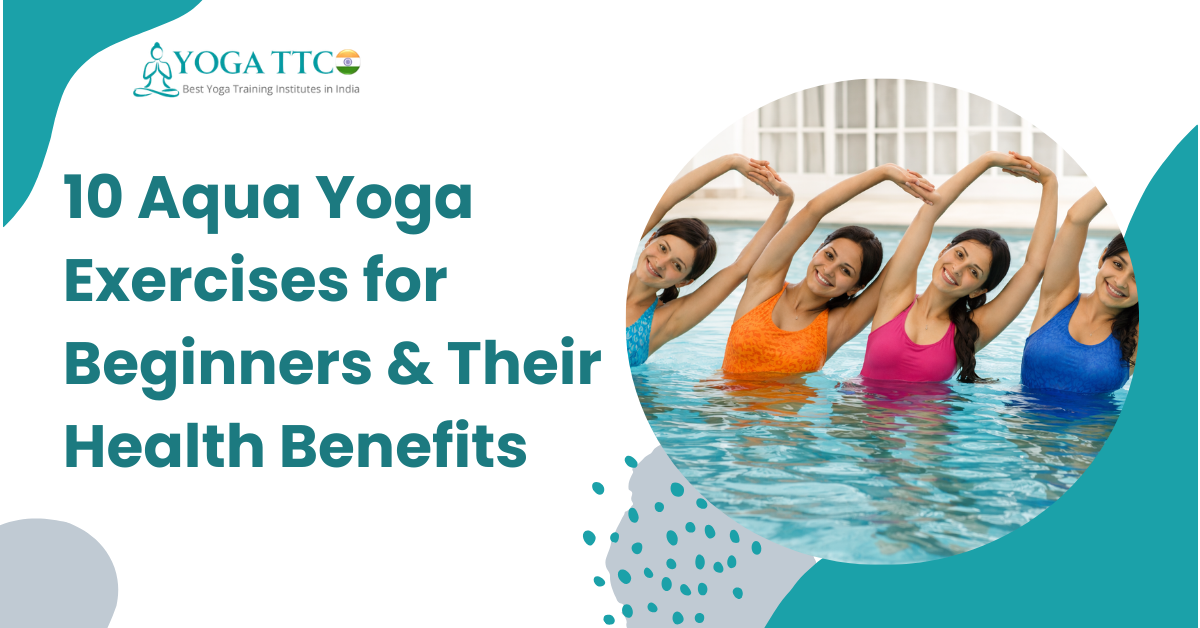 Many people want to start yoga or exercise, but traditional workouts on land can sometimes feel uncomfortable for the joints or challenging for balance. This is where aqua yoga becomes a great alternative.
Aqua yoga combines gentle yoga-inspired movements with the natural support of water, creating a low-impact yet effective workout. When you perform exercises in a pool, water supports your body weight, which reduces pressure on joints, muscles, and the spine. At the same time, the resistance of water makes muscles work harder, helping build strength without the need for heavy equipment.
Because of these unique benefits, aqua yoga is especially suitable for beginners, older adults, individuals recovering from injuries, and anyone looking for a safe and refreshing way to stay active.
In this guide, you will learn 10 beginner-friendly aqua yoga exercises, their benefits, and important safety tips to help you start practicing comfortably in the water.
Why Water Makes Exercise Easier for Beginners
Water provides natural support and resistance that makes movements easier and safer compared to exercising on land.
First, buoyancy helps support the body. This reduces the stress placed on joints such as the knees, hips, and ankles, which is particularly helpful for people who experience stiffness or discomfort during regular workouts.
Second, water resistance works like natural strength training. Every movement you perform in water pushes against resistance, which gently strengthens muscles while still being low-impact.
Third, the movement of water challenges your balance. Your body automatically engages stabilizing muscles to maintain control, which gradually improves coordination and balance.
Finally, exercising in water often feels calming and refreshing, helping reduce stress and making workouts more enjoyable.
Important Safety Tips Before Starting
Before trying aqua yoga exercises, it is important to follow a few basic safety guidelines to ensure a safe and comfortable experience.
- Start with the right water depth. Beginners usually feel most comfortable in water that reaches between the waist and chest. This depth provides enough support to reduce joint pressure while still allowing you to keep stable footing on the pool floor.
- Stay close to the pool wall. When practicing balance exercises, it helps to stay near the edge of the pool so you can hold the wall if needed. This increases confidence and reduces the risk of slipping.
- Wear proper pool footwear. Water shoes can improve traction on slippery pool surfaces and protect your feet.
- Use flotation support when necessary. Pool noodles or flotation belts can provide additional support, especially for floating exercises or deeper water.
- Avoid extremely hot pools. Very warm water can make exercise uncomfortable and may lead to fatigue or dizziness. A comfortably warm pool is best for aqua yoga practice.
- Stay hydrated. Even though you are exercising in water, your body still loses fluids during physical activity. Drinking water before and after your session is important.
- Listen to your body. If you feel dizzy, unusually tired, or short of breath, stop the exercise and rest. Never push through discomfort.
- Check with a healthcare professional if needed. Individuals with heart conditions, breathing issues, or other medical concerns should consult a healthcare provider before starting any water-based exercise routine.
10 Aqua Yoga Exercises for Beginners
These exercises can usually be performed in waist- to chest-deep water. If you are new to pool workouts, practice near the pool wall for support.
1. Mindful Water Walking
How to perform
Stand upright in waist-deep water and begin walking slowly forward for about 10–20 steps. Then walk backward the same distance. Let your arms move naturally in the water.
Benefits
This exercise gently warms up the body and prepares muscles for movement. Water walking also improves circulation and helps build endurance without placing stress on joints.
2. Water Mountain Exercise
How to perform
Stand tall with your feet hip-width apart. Relax your shoulders and keep your spine straight. Take slow and deep breaths while maintaining balance in the water.
Benefits
This exercise improves posture and body awareness. It also helps you develop stability before moving into more dynamic movements.
3. Supported Tree Exercise
How to perform
Stand near the pool wall and shift your weight onto one leg. Place the sole of your other foot on the ankle or calf of the standing leg. Hold the position for a few breaths and then switch sides.
Benefits
This balance exercise strengthens leg muscles and improves coordination. Practicing balance in water can help train stabilizing muscles that support everyday movements.
4. Water Chair Exercise
How to perform
Stand with feet hip-width apart. Slowly bend your knees as if sitting on an imaginary chair. Keep your back straight and your arms extended forward for balance.
Benefits
The water chair exercise strengthens the thighs, hips, and glutes. The resistance of water makes the muscles work harder while still keeping the movement gentle on the joints.
5. Water Warrior Exercise
How to perform
Step one foot forward into a wide stance and bend the front knee slightly. Extend both arms out at water level and hold the position for a few breaths before switching sides.
Benefits
This exercise improves lower-body strength and stability. It also helps increase flexibility in the hips and legs.
6. Water Side Angle Exercise
How to perform
From the warrior position, rest your forearm lightly on the front thigh and extend the opposite arm overhead in a long diagonal stretch.
Benefits
This movement stretches the side body and shoulders. It can improve mobility and encourage better posture by lengthening the muscles along the torso.
7. Standing Knee-to-Chest Exercise
How to perform
Hold the pool wall for support and slowly lift one knee toward your chest. Pause briefly, then lower the leg with control. Repeat several times and switch sides.
Benefits
This exercise gently strengthens the hips and abdominal muscles while also stretching the lower back. The buoyancy of water makes the movement smoother and more comfortable.
8. Standing Leg Raise Exercise
How to perform
While holding the pool wall, raise one leg forward, then to the side, and then backward. Keep the movement slow and controlled.
Benefits
This exercise targets the hip muscles and glutes. Strengthening these muscles helps improve stability and supports better posture during everyday activities.
9. Wall-Supported Superman Stretch
How to perform
Face the pool wall and hold the edge with both hands. Extend your legs behind you so your body lengthens and stretches gently.
Benefits
This stretch helps open the chest and shoulders while improving spinal mobility. It can also relieve tension in the back and upper body.
10. Supported Water Relaxation Exercise
How to perform
Use a pool noodle or flotation support and lean back gently in the water. Focus on slow breathing and allow the body to relax.
Benefits
This relaxation exercise helps calm the mind and reduce stress. It is also a great way to finish your aqua yoga routine and allow the body to recover.
Health Benefits of Aqua Yoga Exercises
Practicing aqua yoga regularly can offer several important health benefits for both physical and mental well-being.
- Improves joint comfort and mobility.
One of the biggest advantages of exercising in water is the reduced pressure on joints. The buoyancy of water supports the body and decreases the impact on knees, hips, and ankles. This allows people with stiffness or mild joint discomfort to move more freely and comfortably. - Supports better balance and stability.
The gentle movement of water constantly challenges the body to maintain balance. Over time, this strengthens stabilizing muscles and improves coordination, which is especially helpful for beginners and older adults. - Builds muscle strength without heavy equipment.
Water provides natural resistance in every direction. This means muscles must work harder during movements, helping build strength in the legs, core, and upper body without the need for weights. - Encourages cardiovascular fitness.
Regular aquatic exercise can improve heart and lung function. Moving continuously in water raises the heart rate in a controlled way, helping build endurance and support overall fitness. - Reduces stress and supports relaxation.
The calming environment of water combined with slow breathing and gentle movement can help reduce stress levels. Many people find that aqua yoga helps them feel relaxed and refreshed after a session. - Improves circulation.
Water pressure around the body may help support blood flow and reduce mild swelling in the legs. This can make the body feel lighter and more comfortable during movement.
A Simple Beginner Routine
If you are just starting, keep your aqua yoga routine simple and manageable.
Begin with 3–5 minutes of mindful water walking as a warm-up.
Next, choose 5–7 exercises from the list above and perform each movement slowly for about 6–10 repetitions or a few deep breaths.
Finish your session with 2–5 minutes of supported water relaxation to allow the body to cool down.
Practicing two to three times per week is a good starting point for beginners.
Final Thoughts
Aqua yoga offers a refreshing way for beginners to start moving their bodies without the pressure that often comes with traditional workouts. The natural support of water makes exercises feel lighter while still helping improve strength, flexibility, balance, and overall fitness.
By practicing these simple exercises regularly, beginners can slowly build confidence, improve body awareness, and develop a healthier routine. With its calming environment and low-impact movements, aqua yoga can turn exercise into an enjoyable and relaxing experience rather than a challenging task.
Disclaimer:-The information provided in this article is intended for general educational and informational purposes only. While efforts have been made to present accurate and helpful information related to aqua yoga practices and exercises, this content should not be considered a substitute for professional medical, fitness, or therapeutic advice.
Individual health conditions, fitness levels, and physical abilities may vary. Readers are encouraged to consult a qualified healthcare professional, yoga instructor, or fitness expert before beginning any new exercise or wellness program, especially if they have pre-existing medical conditions.
The exercises and concepts discussed in this article should be practiced responsibly and within personal limits. We are not responsible for any injuries, health issues, or outcomes arising from the direct application of the information shared in this post.